


Let me tell you again that I am not a doctor or a specialist, I just cover some health related topics based on my experiences and feedback from people around me, like today I will talk about how we can manage blood sugar levels naturally based on my experiences and some research.
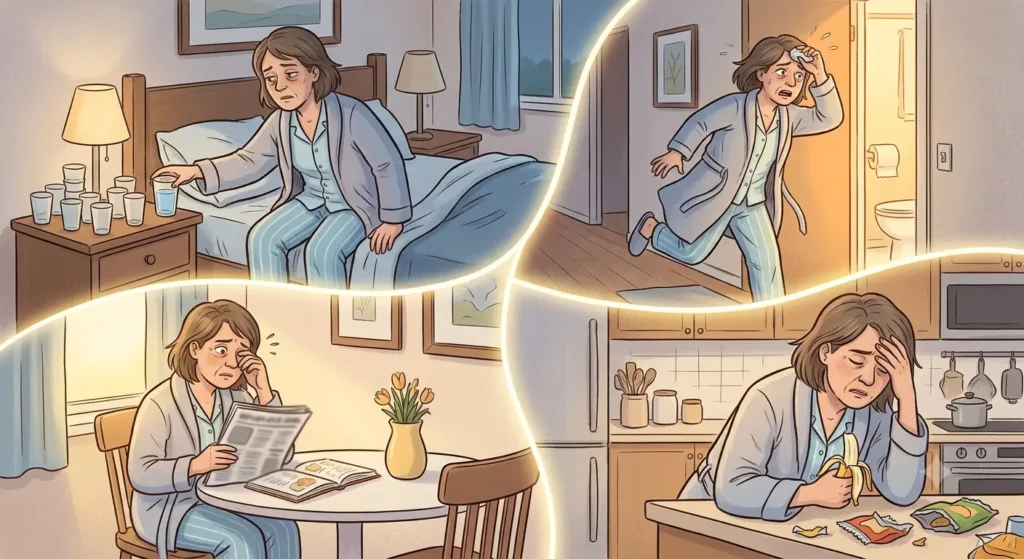
For most of my adult life, I ate whatever was in front of me and never once thought about what my blood was doing about it. I could eat a heavy lunch and walk straight back to my desk. I could skip breakfast, binge on chai and biscuits by 11 a.m., and still feel fine (or fine enough) by evening. Food was just food. I never once connected what went into my mouth with what was happening three layers beneath it.
Then, at a routine blood test last year, my fasting glucose came back at 106 mg/dL.
Not diabetic. Not even close, technically. But high enough to sit in that grey zone doctors call prediabetes, the one nobody warns you about until you’re already standing in it. My doctor didn’t panic, and she didn’t prescribe anything either. She just said, “You have a window right now. Use it.” And then she sent me home with nothing but a pamphlet and that sentence rattling around in my head.
That’s the part nobody tells you about a slightly-too-high number: it doesn’t come with an instruction manual. It comes with a vague sense of dread and a Google search box.
So I did what I always do when something scares me enough. I went and actually read the research instead of the forums, changed a handful of daily habits, and turned myself into something of a lab rat for about four months. What follows isn’t a miracle protocol. It’s the stuff that actually moved my numbers, backed by what the science says about why it works, minus the supplement-ad nonsense that clutters up every “natural blood sugar” article on the internet.
The Walk That Actually Matters
I used to think a walk was a walk. Morning, evening, whenever you could fit it in, same benefit. That’s not quite true, and it’s the single biggest thing I got wrong.
Blood sugar doesn’t spike the moment you eat. It spikes in the 30 to 90 minutes after, while your gut is still breaking down what you just swallowed. That window is when a short walk does the most damage-control work. Multiple clinical studies, including a widely cited 2022 meta-analysis, found that a walk taken during this post-meal window blunted the blood sugar peak by somewhere around 17 to 24 percent compared to just sitting there. Your leg muscles are essentially competing with your bloodstream for that glucose, pulling it out of circulation and burning it for fuel before it ever gets the chance to spike.
I didn’t start with some ambitious 45-minute regimen. I started with ten minutes after dinner, because dinner was always my worst meal. Just around the block, phone in my pocket, nothing dramatic. It’s the one habit from this entire list I never once skipped, mostly because it required so little willpower that I never had an excuse.
Eating in the Right Order, Not Just the Right Amount
This one felt like a magic trick the first time I tried it, and I was fully prepared for it to be nonsense.
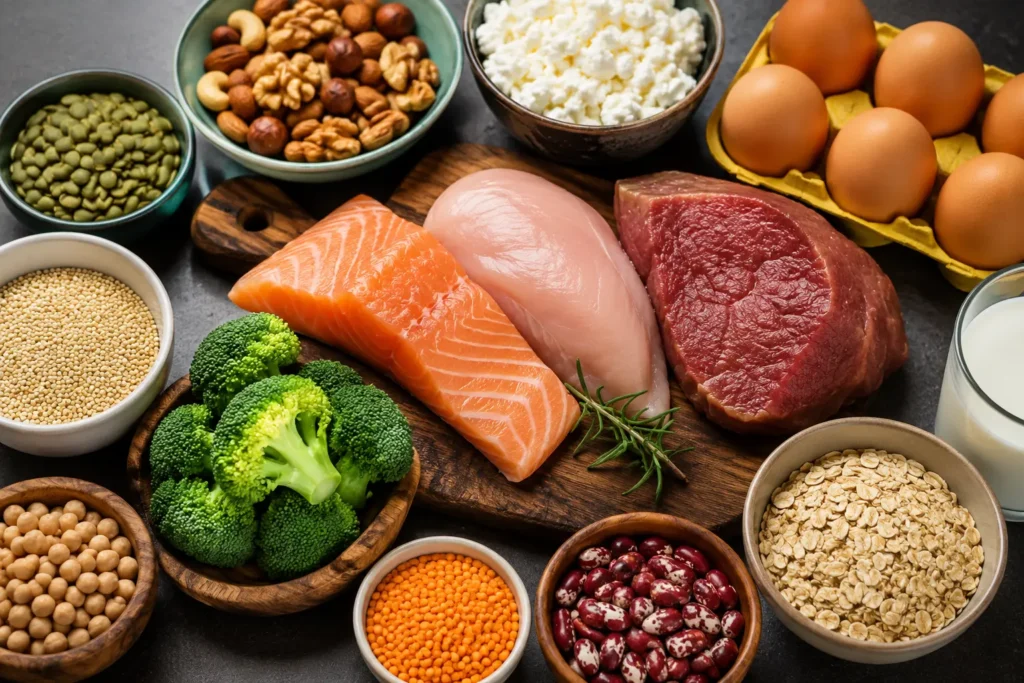
The idea: eat your vegetables and protein before you touch the rice, roti, or anything starchy on the plate. Not instead of the carbs, just after them. Fiber and protein slow down how quickly your stomach empties into your small intestine, which slows down how quickly glucose hits your bloodstream. Same meal, same calories, noticeably flatter curve, just because of sequencing.
I still eat rice. I still eat mango in season, and I refuse to feel guilty about it. I just eat the salad and the dal first now, and the rice last, almost as a formality. It sounds like a small thing to build a section around, but it was one of the few changes that required zero deprivation, which is probably why it stuck.
Sleep Was the Habit I Least Wanted to Fix
I resisted this one the longest, because sleep felt unrelated. Blood sugar is a food problem, right? Turns out, no. Sleep might be the most underrated lever of the entire list.
There’s a well-known 2010 clinical study where healthy adults lost sleep for just one night and still showed measurable insulin resistance the next morning, purely from being tired. Other research on women found that shaving 90 minutes off nightly sleep for six weeks pushed insulin resistance up by roughly 15 percent, and closer to 20 percent in postmenopausal women. Your body doesn’t distinguish neatly between “tired” and “metabolically stressed.” Poor sleep raises cortisol, cortisol tells your liver to release stored glucose, and now you’re fighting a battle you didn’t even know had started.
I was the classic scroll-till-midnight, wake-up-groggy person. I didn’t fix this overnight (no pun intended), and I still fall off this one more than any other habit on this list. But the nights I actually get seven-plus hours, my next-morning fasting numbers are visibly, consistently better. That correlation alone was enough to keep me trying.
Cutting the Drinks Before Cutting the Food
I want to be honest about something: I didn’t touch my rice intake much. I barely reduced my rotis. What I gutted, almost entirely, was liquid sugar. Cold drinks, packaged juices, the sugary coffee-shop stuff I used to treat as a harmless treat.
Liquid sugar is absorbed faster than almost anything solid, since there’s no fiber or chewing to slow it down, and your body has no real “fullness” signal to stop you at one glass. A can of soda and a bowl of rice might carry similar calories, but they hit your bloodstream on completely different timelines. This was the easiest win of the entire experiment, mostly because I never had to sit at a meal feeling deprived. I just stopped drinking my sugar.
A Little Bit of Muscle Goes a Long Way
I am not, and have never been, a gym person. But strength training kept showing up in the research in a way I couldn’t ignore.
Muscle tissue is one of the biggest storage sites for glucose in the entire body. More muscle mass essentially means more “parking space” for the sugar circulating in your blood, which means less of it lingers around causing trouble. You don’t need to become a bodybuilder. Two or three short sessions a week, bodyweight squats, a resistance band, whatever you’ll actually do consistently, is enough to move the needle over a few months.
Stress Was the Quiet Variable I Almost Missed
I’ll admit I nearly left this section out, because it felt like the kind of vague wellness advice I usually roll my eyes at. But cortisol, the hormone your body releases under stress, directly signals your liver to dump glucose into your bloodstream, the same “fight or flight” mechanism that once helped our ancestors outrun something dangerous. Except most of our modern stress is a looming deadline or a stuck-in-traffic kind of stress, one that never actually resolves the way running from a predator does. The glucose gets released anyway, but there’s no physical outlet for it.
I didn’t take up meditation, if that’s what you’re expecting. I just started noticing when I was working through lunch out of anxiety rather than hunger, and tried to build in small breaks instead. It’s the least measurable habit on this list, and honestly, the one I trust the least in terms of hard numbers. But enough research points in the same direction that I didn’t want to leave it out.
Where I’ve Landed, For Now
My fasting glucose is back in the mid-90s. Not perfect, not something I’ve “solved,” but clearly moving in the right direction. I still eat rice. I still have chai. I still miss the occasional post-dinner walk when I’m tired or traveling, and I can see the difference on my glucose monitor the very next morning when I do.
If there’s a lesson in any of this, it’s that none of these habits worked in isolation, and none of them demanded that I become a different person. They just asked me to notice my plate, my sleep, and my ten-minute window after dinner a little more closely than I used to. I’m not going to pretend I’ve cracked it. I’m just paying attention now, in a way I never used to, and that alone has made more difference than I expected.
This article is for informational purposes and shares personal experience alongside published research. It isn’t a substitute for medical advice — if you have concerns about your blood sugar, please talk to a doctor or a registered dietitian who can look at your specific numbers and history.
You May Also Read:-