

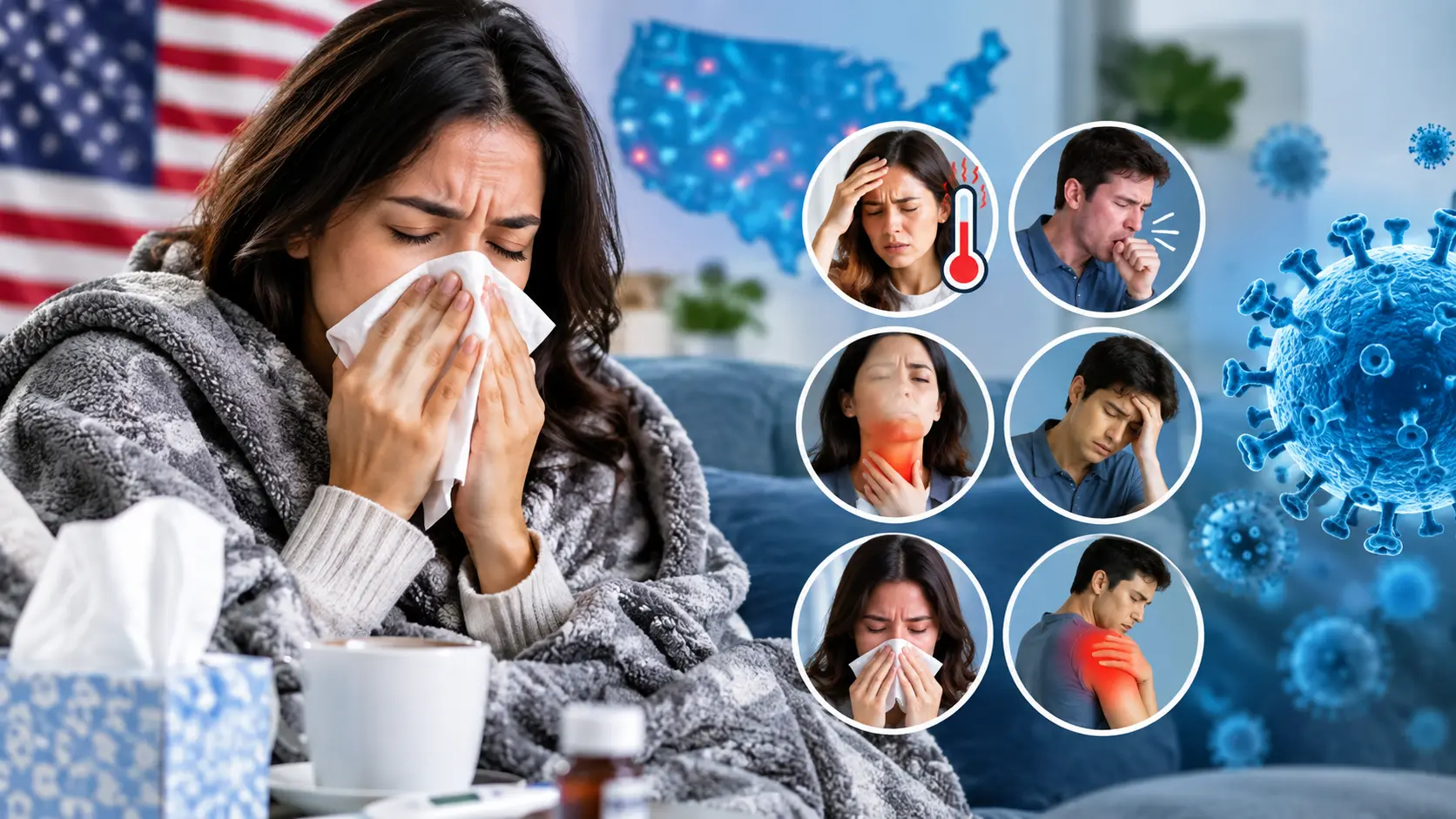

| Quick Answer Recognizing early flu symptoms is essential when seasonal flu starts spreading, as warning signs usually hit fast. Typical symptoms include fever, cough, sore throat, a runny or stuffy nose, body aches, headache, chills, and tiredness. The biggest clue is speed: flu symptoms usually come on suddenly, while a cold creeps in slowly. If you feel fine in the morning and wiped out by evening, think flu.Is flu going around the US right now? Not much yet. CDC says seasonal flu activity is low, and all 50 states reported minimal flu-like illness in the week ending 12 September, though cases are expected to rise in the coming weeks. That makes now a good time to learn the signs. |
Why Spotting Flu Early Matters
Catching flu on day one gives you a choice. You can give yourself time to rest, protect others, and if you’re in a high-risk group, seek treatment with antiviral medication. These medicines are most effective when used within a day or two of flu symptoms appearing.
It’s also important to note that the flu can be severe, with 195 flu-associated pediatric deaths reported in the United States for the 2025-2026 season. Most people recover at home, but knowing what to look out for can help you get the care you need.
7 Early Warning Signs of Flu
1. A Sudden Wave of Tiredness
You feel drained in a way that sleep doesn’t fix. Doctors call it malaise, and it is often the very first sign.
2. Fever or Chills
A high temperature with shivering is classic flu. But don’t rule flu out without one, because not everyone with flu gets a fever.
3. Aching Muscles and Joints
Think of it as “my whole body hurts.” Back, legs and arms are the usual spots.
4. A Headache
Flu headaches often feel heavy or pounding, and they show up alongside the other signs.
5. A Dry Cough
Flu typically brings a non-productive (dry) cough, so you’re not bringing up much mucus at first.
6. Sore Throat and Runny or Blocked Nose
These overlap with a cold, so look at the whole picture rather than one symptom.
7. Tummy Trouble (Mostly in Children)
Young children with flu may also have nausea, vomiting or diarrhoea alongside breathing symptoms. It isn’t the main sign in adults.
Flu vs Cold vs COVID-19: How to Tell the Difference
| Flu | Cold | COVID-19 | |
|---|---|---|---|
| Start | Sudden | Gradual | Can be either |
| Fever | Common | Rare or mild | Common |
| Body aches | Strong | Slight | Varies |
| Tiredness | Severe | Mild | Varies |
The honest truth is that symptoms alone can’t settle it. The CDC’s clinical guide says flu can’t be told apart from other respiratory illnesses by symptoms alone. Flu and COVID-19 also share many signs. A home or clinic test is the only reliable way to know.
Signs That Look Different in Older Adults
Flu doesn’t always look textbook. In frail older adults, it can show up as confusion, changes in behaviour or loss of appetite. If an elderly relative suddenly seems “not themselves”, take it seriously even without a cough or fever.
When Should You See a Doctor?
Call your GP-equivalent (primary provider) early if you’re in a higher-risk category, such as if you’re pregnant, over 65, very young, or have a long-standing condition like asthma or diabetes. The CDC recommends that people in higher-risk categories consult their healthcare provider.
Go to the emergency room for warning signs, such as difficulty breathing, chest pain, or confusion.
One safety note for parents: The CDC recommends avoiding aspirin or other salicylate medications for anyone under 18 who has the flu. Instead, use a children’s fever medicine that’s been recommended by your doctor.
How Long Does Flu Last, and When Are You Contagious?
Most people feel better after about 3 to 7 days, but some people may continue to have cough and fatigue for up to 2 weeks or longer, especially older adults.
You are most contagious in the first few days of your illness. Persons with flu are most contagious during the first 3 days of their illness. In addition, you can spread flu to others before you even know you are sick. Some people may be infected but not sick themselves and can spread the illness to someone else. In one household survey, 8 percent of persons who were positive for influenza virus infection did not have symptoms.
When can I go back to work or school? Stay home for 24 hours after your fever is gone without the use of fever-reducing medications and until your symptoms are resolving.
How to Protect Yourself This Season
Flu usually peaks between December and February, so autumn is the ideal time to prepare.
- Get the flu jab. This year’s vaccines were updated on all three virus components, including a change to target the H3N2 subclade K virus that spread widely last season. CDC calls the yearly vaccine the first and most important step.
- Wash your hands often and avoid touching your face.
- Stay home when unwell, and keep some distance from people at higher risk.
- Keep a thermometer and tissues in the house before you need them.
Frequently Asked Questions
What are the first signs of flu?
Sudden tiredness, fever or chills, body aches, headache, and a dry cough. The speed of onset is the giveaway.
How do I know if it’s flu or just a cold?
Colds build slowly with mild symptoms. Flu starts abruptly and feels much heavier.
Can you have flu without a fever?
Yes. Not everyone with flu develops a fever.
Is flu going around the US right now?
Activity is currently low, but it is expected to climb through autumn and winter.
How soon should I take antivirals?
Ideally within one to two days of symptoms starting, and only on a doctor’s prescription after a positive test.
Can I still get flu after the vaccine?
Yes, but vaccination reduces how severe it gets. CDC says it lowers hospitalisations and deaths.
Useful Resources
- CDC, Signs and Symptoms of Flu: https://www.cdc.gov/flu/signs-symptoms/index.html
- CDC, What to Do If You Get Sick: https://www.cdc.gov/flu/takingcare/index.html
- CDC, 2026-2027 Flu Season: https://www.cdc.gov/flu/season/2026-2027.html
- CDC, Weekly FluView Reports: https://www.cdc.gov/fluview/surveillance/2026-week-37.html
- CDC, Respiratory Illness Data: https://www.cdc.gov/respiratory-viruses/data/index.html
This article is for general information only and isn’t medical advice. If you’re unwell or worried, speak to a healthcare professional.