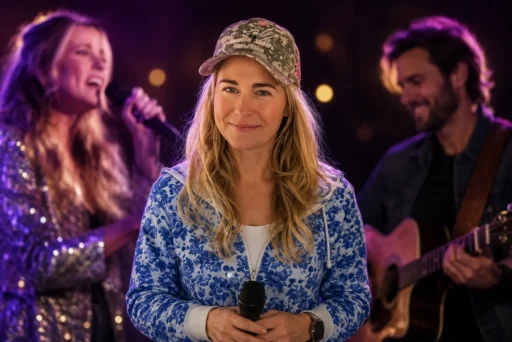
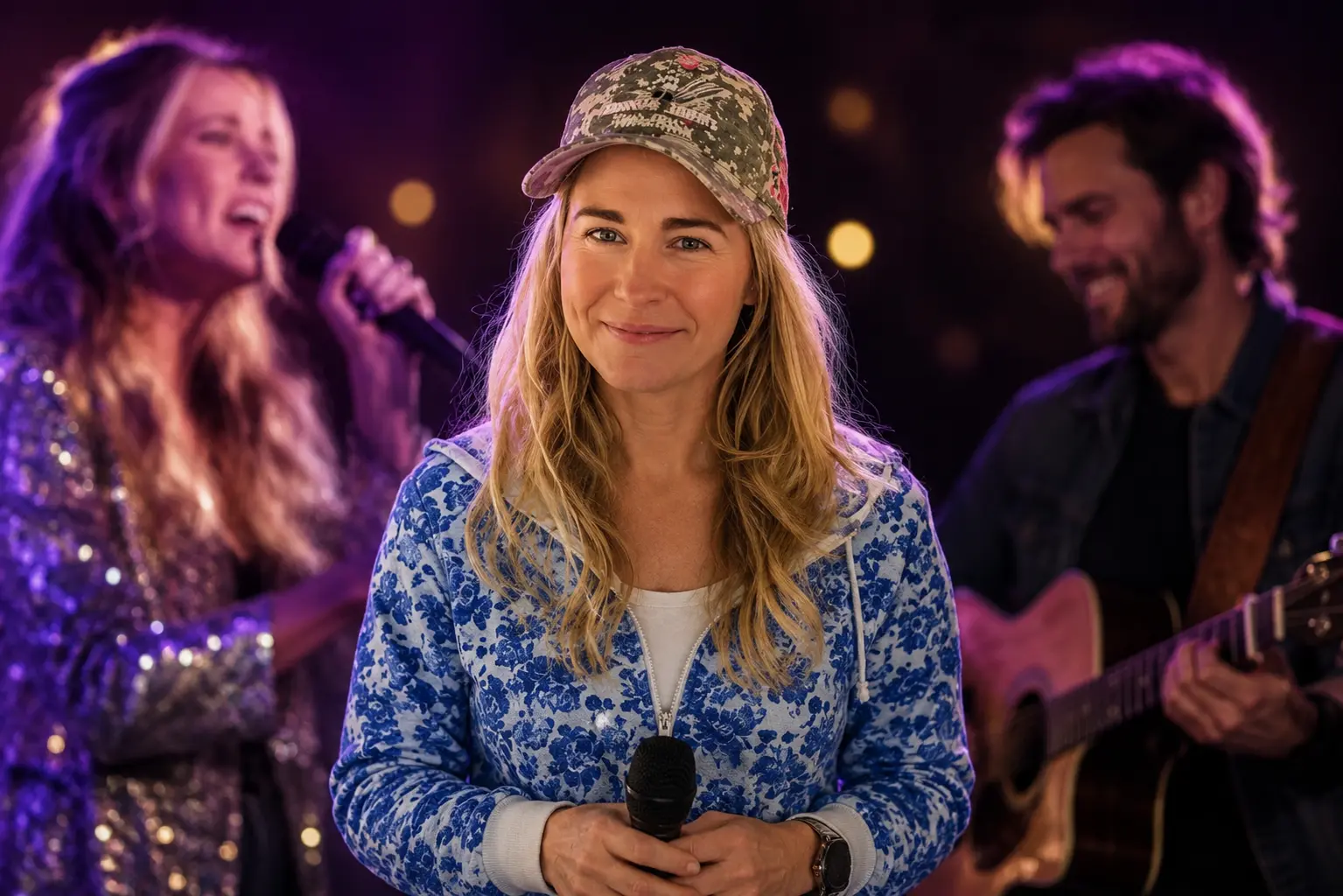

Sometimes the scariest health scares don’t come with sirens. They come quietly — a little extra tiredness, a feeling that something in your body just isn’t quite right. That’s exactly how it started for country singer and actress Jillian Cardarelli, who recently shared that she has been diagnosed with stage 2 breast cancer at just 33 years old.
Her announcement has struck a nerve far beyond the country music world, and it’s easy to see why. Cardarelli is young, healthy-looking, and, by her own admission, someone who never thought cancer would touch her life this early. Her honesty about what she felt, what she feared, and what she almost brushed off is exactly the kind of story that makes people stop scrolling and start paying attention to their own bodies.
Who Is Jillian Cardarelli?
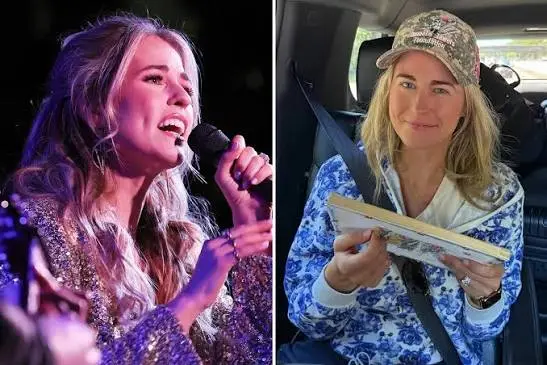
If the name sounds familiar, it’s because Jillian Cardarelli has been quietly building a name for herself in Nashville for over a decade. Rolling Stone included her on its “10 New Country Artists You Need to Know” list back in 2017, praising her voice for sounding like it belonged on a Top 20 country hit. Her song “Strong,” co-written with actor and musician Charles Esten, was later called one of the most powerful songs of 2020 by American Songwriter.
More recently, Cardarelli branched into acting, taking on the role of Janie Carson in the Great American Family series Crossroad Springs, for which she also co-wrote the theme song. She’s performed at high-profile events, including the National Christmas Tree Lighting Ceremony at the White House. In short, this is a woman whose career has been on the rise — which makes the timing of her diagnosis feel even more jarring.
The Diagnosis That Changed Everything
Cardarelli revealed in an interview with People magazine that she was diagnosed with stage 2 invasive ductal carcinoma on May 21. The news came just as she was preparing to head to Toronto to begin filming the second season of Crossroad Springs and only weeks after celebrating her fifth wedding anniversary
In her own words, the diagnosis turned her world upside down almost overnight. She described the whirlwind of doctor’s appointments, scans, and pathology reports as learning “a new language” she never wanted to know. “I feel fear and sadness,” she told People. “I’m like, why did this happen?”
Cardarelli was candid about her anger, too — not at God, she clarified, but at the situation itself. “I do not fit the profile of somebody that should get cancer at 33 years old,” she said. “So yes, there’s a little bit of anger there. But I’m not angry at God. I’m leaning on Him more than ever.”
The Early Symptoms She Almost Overlooked
What makes Cardarelli’s story so important isn’t just the diagnosis — it’s what led up to it. Like many young women, she had a history that made her feel like she was in the clear. She’d had areas of dense fibrous tissue in her breasts since she was 25, monitored periodically with ultrasounds that never turned up anything concerning.
But this time, something felt different. “I knew my body. I was a little more tired,” she explained. The fatigue wasn’t dramatic at first — she noticed it most during a photoshoot that required several costume changes, where she found herself wanting to nap between each one. It’s the kind of tiredness many people would chalk up to a busy schedule or a bad week.
Shortly after that shoot, she found a lump in her breast. That discovery changed everything. “It was shocking, but I knew something in my body was different,” she said.
Why She Didn’t Think She Fit the Profile
Cardarelli’s reaction — “I do not fit the profile” — reflects a misconception that trips up a lot of young women. Breast cancer is often talked about as a disease of older age, and it’s true that risk increases as women get older. But breast cancer in women under 40 does happen, and it can be more aggressive when it does. Cardarelli had no family history of breast cancer and had tested negative on genetic screening, two factors that can make a diagnosis feel especially unexpected.
This is a big part of why her story matters. Routine mammogram screening in the United States typically isn’t recommended until around age 40 for women at average risk. That means younger women largely have to rely on knowing their own bodies and speaking up when something feels off — exactly what Cardarelli did when she noticed the lump.
Breast Cancer Awareness: What Doctors Want Women to Know
Medical experts consistently emphasize a few key points about early detection:
Get familiar with your normal. Breast tissue naturally varies from person to person, and getting to know what’s typical for your own body makes it easier to notice when something changes.
Don’t ignore persistent changes. A new lump, unusual fatigue that doesn’t improve with rest, changes in breast shape or skin, or any other change that lasts more than a couple of weeks is worth mentioning to a doctor.
Family history isn’t the only risk factor. Many people diagnosed with breast cancer, like Cardarelli, have no known genetic or family risk. That’s why self-awareness matters at every age.
Early detection saves lives. Cancers caught before they spread are generally far easier to treat successfully than those found later.
None of this replaces a conversation with a healthcare provider, but it’s the kind of information Cardarelli herself hoped her story would spread. “My hope is that women hear my story and understand the importance of knowing their bodies, trusting their instincts, and advocating for themselves,” she told People.
Treatment, Support, and Staying Hopeful
Despite the shock, there’s real hope in Cardarelli’s story. Doctors told her they are confident the cancer can be “eradicated” and that she can go on to live a “long, normal, healthy and happy life.” She has since begun treatment, sharing on Instagram that she’d undergone surgery, writing simply, “The first big step is behind me.”
She thanked her care team at Dana-Farber Cancer Institute for their “kindness, compassion, and support” and closed her post with a message to fans: “#CheckYourGirls” — a gentle reminder for others to pay attention to their own bodies.
The response from fans and the country music community has been overwhelming. Comments poured in with prayers, encouragement, and gratitude for her openness. It’s a reminder that even in an industry built on performance, real vulnerability still resonates the loudest.
Adding another emotional layer to her journey, Cardarelli shared that her mother has been living with stage 4 cancer for the past 12 years. “The fact that my mother… has to now help her daughter navigate this is very unfair,” she said — a quiet, painful acknowledgment of just how much one family can carry at once.
A Story Worth Listening To
Jillian Cardarelli’s diagnosis is a hard reminder that cancer doesn’t check ID before it shows up. It doesn’t care about a busy filming schedule, a wedding anniversary, or a career on the rise. What it does respond to is early detection — and that starts with paying attention when something feels different, even if it seems small.
Cardarelli didn’t ignore her instincts, and that decision may have changed the entire course of her story. As she continues treatment and leans on her family, fans, and the country music community that has rallied around her, her message is simple but powerful: know your body, trust what it’s telling you, and never be afraid to ask questions when something feels off.